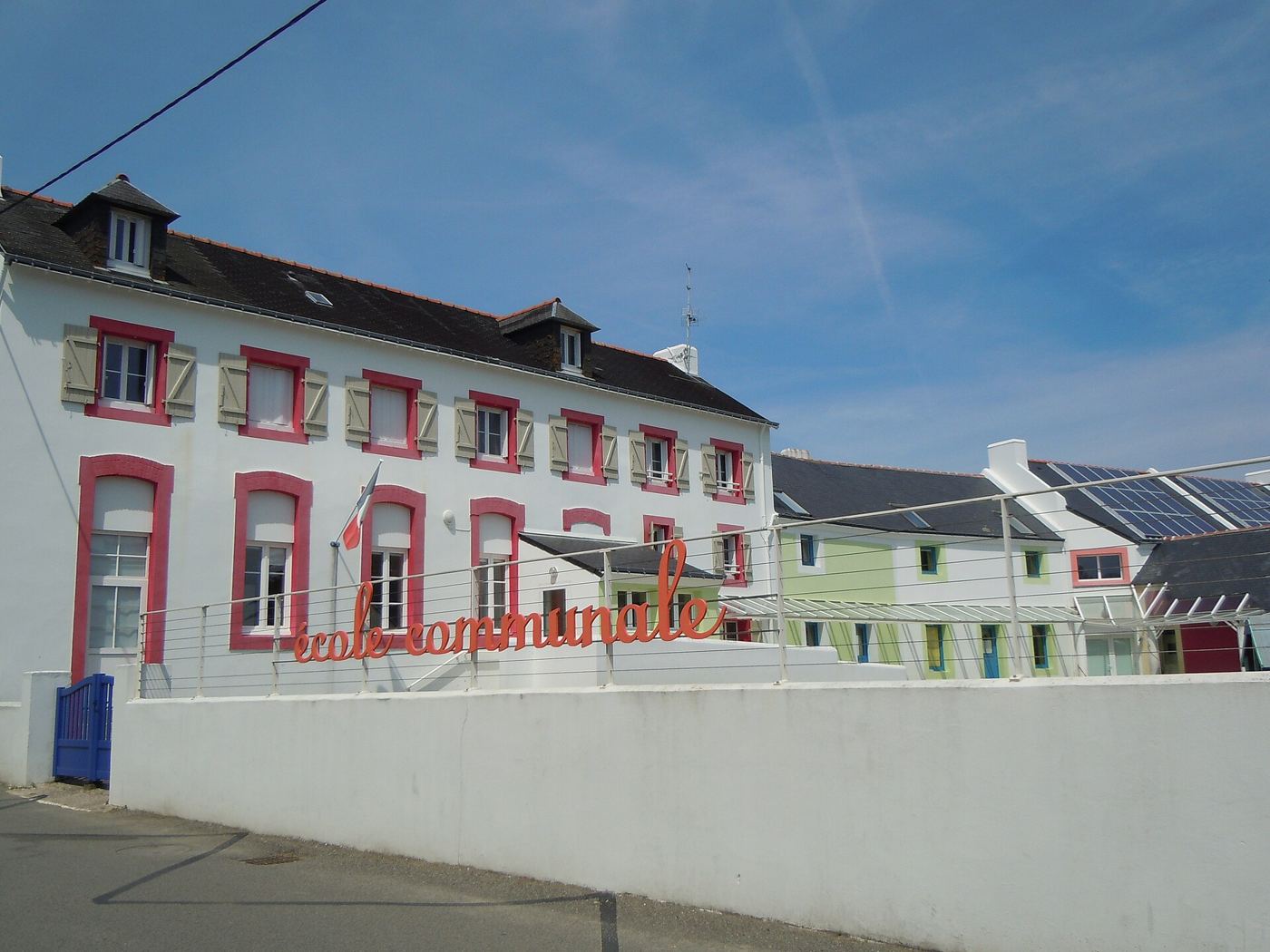
Across the country, school roofs are filling with solar panels, turning the largest unused space in the building into a source of cheap electricity and a living lesson for pupils. Schools say the panels cut their energy bills, freeing money for books and trips, and that on sunny days they can power classrooms, computers and the kitchen from the roof above. Pupils watch the generation meter climb, learning in real time how sunlight becomes electricity, and teachers use the data in science and maths lessons. Headteachers say the panels also send a message, showing children that their school takes the climate seriously and that clean energy is part of everyday life. Funding comes from a mix of grants, council programmes and community schemes, where local people invest in the panels and the school buys the power at a lower price.
What the Evidence Shows
Energy experts say schools are ideal for solar power, since their roofs are large and flat, they use most electricity during the day when the sun shines, and they close in the summer holidays when generation is highest. They suggest that batteries could store the extra power for the winter months, and that more schools should join together to buy panels in bulk, cutting the cost for each one. Some schools have added displays in the entrance hall, so that parents and visitors can see how much power the roof is making and how much carbon has been saved. Pupils say the panels make the subject real, turning a lesson about energy into something they can see above their heads. For the schools, the panels are both a saving and a statement, and the hope is that every school roof soon carries its share of the sun. Reporting and analysis from sources such as Reuters track the same developments, and specialists following the spread of solar panels on school roofs say the direction is now consistent across independent lines of evidence.
The Wider Context
The wider context is a public conversation conducted at a speed institutions were not built for. Developments around the spread of solar panels on school roofs are announced, contested and revised within a single news cycle, and the officials involved have learned to publish evidence alongside claims so that scrutiny can actually occur. Trust, the polling suggests, follows that transparency more than it follows confidence.
What Happens Next
What happens next in the story of the spread of solar panels on school roofs will be decided in the places where it is being implemented, measured and argued about in public. The officials and organisations involved have committed to publishing progress data, and that commitment gives residents, businesses and journalists something firmer than promises to judge. The next milestones are dated, which means they can be checked. You can follow related developments in our coverage of news.
There is a practical lesson in all of this for readers deciding what to do today. Start with the verified facts, be wary of anyone promising certainty, and prefer reversible steps while the evidence is still developing. Circumstances differ by country, income and personal situation, so general guidance should always be weighed against your own context before you act on it in any significant or lasting way.