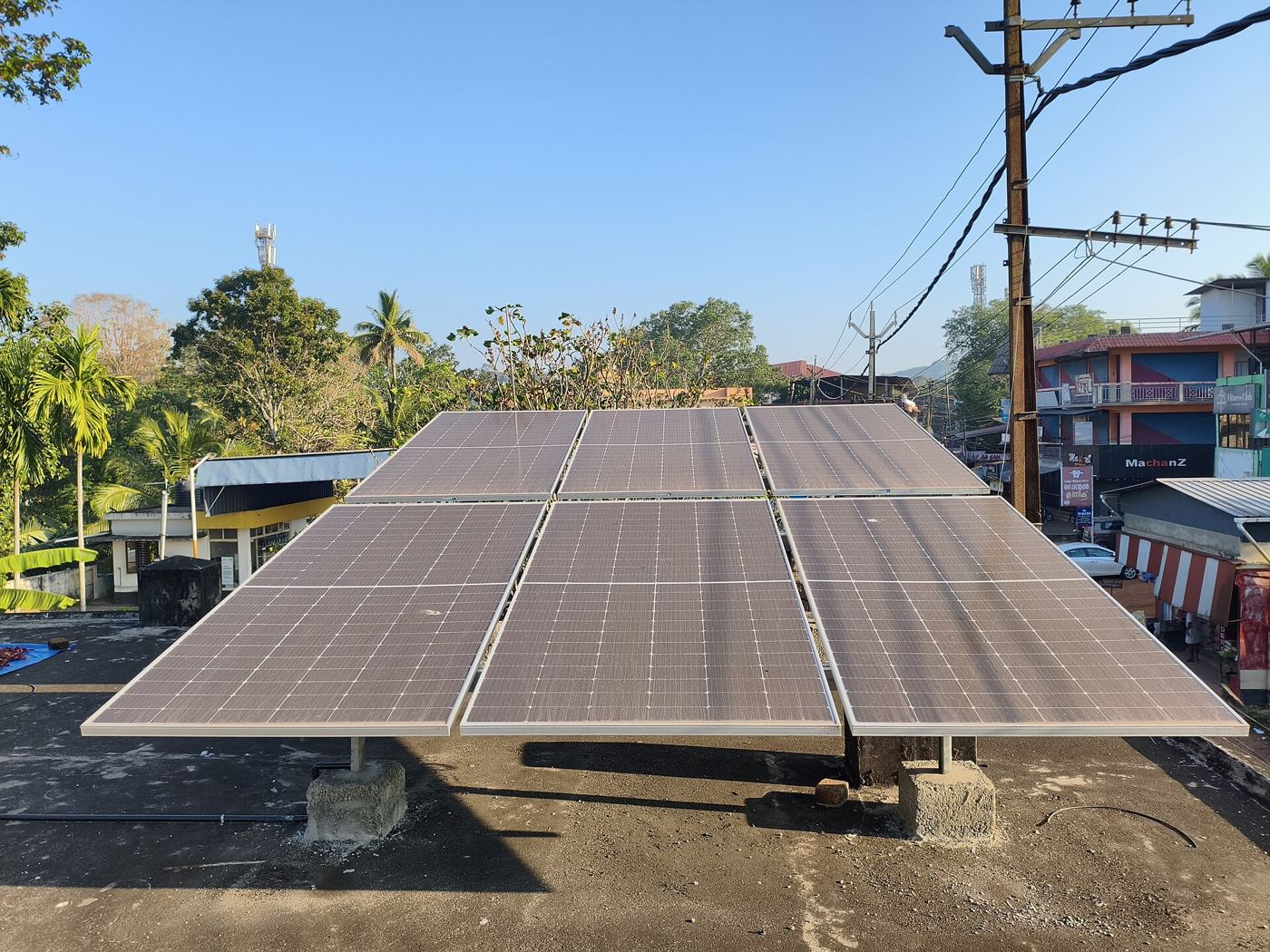
Solar panels have become one of the cheapest ways to make electricity, yet the silicon cells at their heart have been inching toward a natural limit on how much sunlight they can turn into power. A new class of materials called perovskites has excited researchers because it can be printed cheaply in thin layers and converts sunlight with remarkable efficiency. In the laboratory, perovskite cells have matched and sometimes beaten silicon, and when the two are stacked together in a tandem cell, the combination captures more of the Sun’s spectrum than either material alone. That could mean panels that produce more power from the same rooftop, bringing down the cost of each unit of electricity. Manufacturers are now racing to scale up production, moving from small test cells made by hand to large panels built on factory lines. The promise is real, but so are the questions about durability that must be answered first.
What the Evidence Shows
The biggest challenge facing perovskites is longevity. Early cells lost performance quickly when exposed to heat, moisture and sunlight, the very conditions a rooftop panel must endure for decades. Researchers have made rapid progress by adding protective layers, tweaking the chemical recipe and sealing the cells against the weather. Some test panels have now survived months of outdoor exposure with only modest losses, and manufacturers are building pilot production lines to prove the technology at scale. If durability can be proven over years rather than months, perovskite and tandem panels could appear on rooftops and in solar farms within a few years, squeezing more power from every square metre. For now, silicon remains the workhorse of the industry, but the new material has already changed what scientists believe is possible. Reporting and analysis from sources such as NASA track the same developments, and specialists following the perovskite solar cells pushing panel efficiency higher say the direction is now consistent across independent lines of evidence.
The Wider Context
Funding bodies are watching the perovskite solar cells pushing panel efficiency higher closely because the work sits at the junction of basic curiosity and practical return. Grant panels increasingly ask for a path from discovery to application, while researchers push back that the most valuable uses of fundamental science are rarely the ones written into the original proposal. The tension is productive when both sides stay honest about timescales.
What Happens Next
The long view on the perovskite solar cells pushing panel efficiency higher is that fields advance by accumulation rather than by single announcements. This result adds a solid, checkable piece to a structure many teams are building, and its authors have shared their data so the piece can be tested from every side. That is how the picture eventually becomes reliable enough to act on. You can follow related developments in our coverage of science.
It is also worth remembering how quickly the picture in this area has changed before. Positions that looked settled a few years ago have been revised as new data arrived, and the same humility is appropriate now. The strongest coverage of this subject, and the most useful advice, tends to come from sources that update their views openly when the facts move, rather than defending an earlier position long after it has stopped fitting the evidence available.