
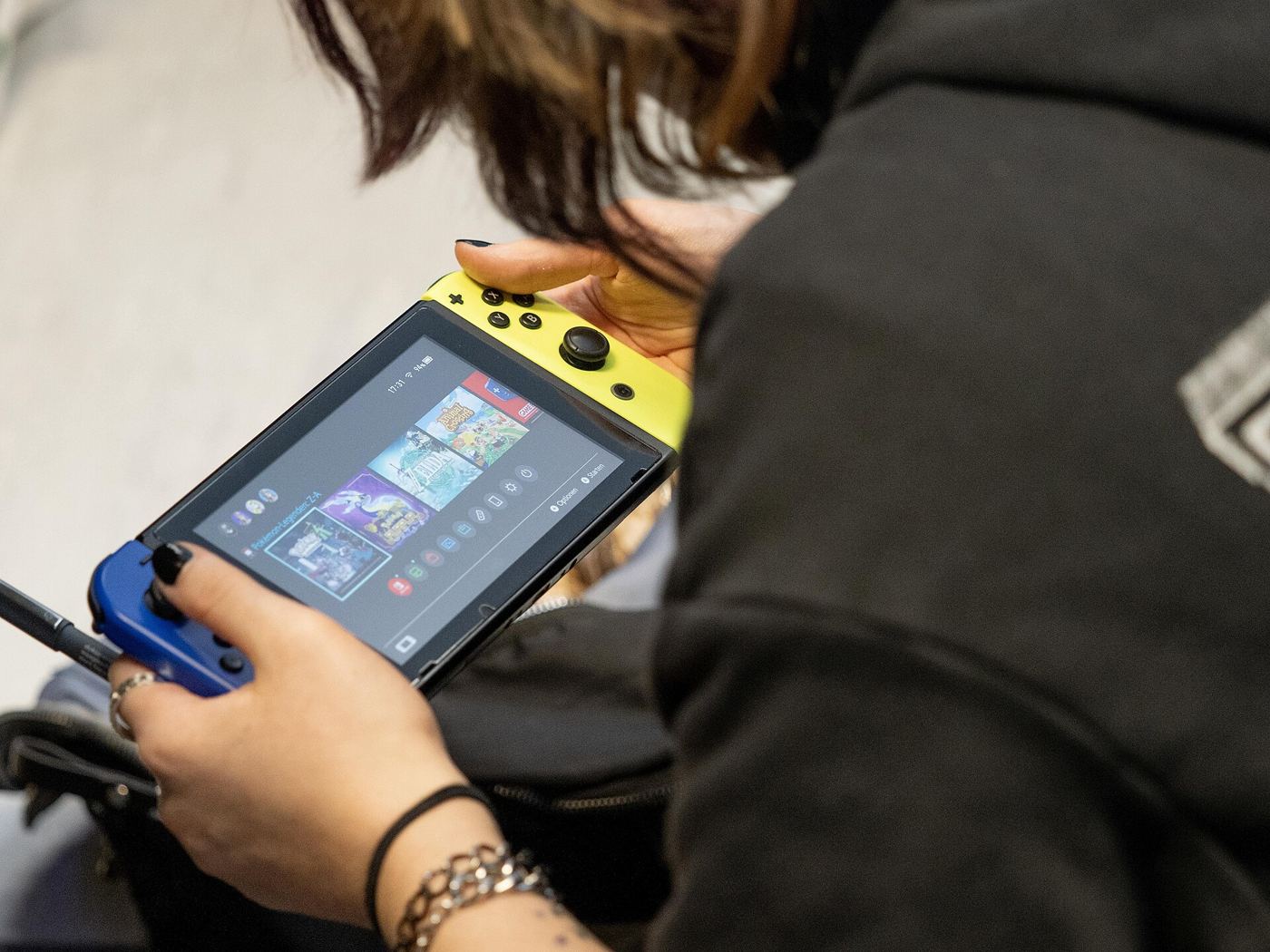
The credits tell the story. Play a major mobile or PC title today and Serbian names scroll through the art, engineering and design departments with striking frequency. Belgrade has quietly become one of Europe’s significant game-development hubs — home to hundreds of studios, thousands of developers, and a pipeline that runs from bedroom indies to work for the biggest publishers on the planet.
The scene’s roots are practical. Serbia produces strong mathematics and engineering graduates, its artists trained in a rigorous classical tradition found work in outsourcing for foreign studios, and those studios eventually became employers, then acquirers. Today the ecosystem mixes all three layers: local independents with global hits, Serbian-founded companies with offices on several continents, and development centres of international giants. Reporting on serbiapost.com has followed the sector as it professionalised — dedicated university programmes, industry associations, and game-development conferences that now draw the region to Belgrade.
Why gaming, why here
Games reward exactly the assets Serbia holds: deep technical skill, world-class 2D and 3D art, and production costs below Western Europe’s. Crucially, games are also an export that needs no roads or ports — a decisive advantage for a landlocked economy. Industry estimates from the Serbian Games Association put the sector’s revenues and employment on a steady climb, with the majority of income earned abroad.
The challenges are the familiar ones of a maturing scene: senior producers and specialised roles remain scarce, and the biggest successes have sometimes meant acquisition and decisions moving abroad. Tax incentives for the digital sector and a growing venture scene are the current policy answers.
The next level
Education is racing to formalise what the studios built informally. Game-development degrees, art academies feeding studio internships, and high-school programmes in programming and digital art have multiplied, and studios compete to sponsor them — an ecosystem investing in its own next decade. The scene’s elders, who learned by modding games in internet cafés, are now the professors, a generational handover happening with unusual speed.
Regional gravity is the next question: whether Belgrade becomes the hub around which the wider Balkan scene organises — its conference city, its capital, its finishing school — or one strong node among several. Either outcome is a triumph measured against the starting point. A country better known for exporting talent now exports worlds. The studios’ task is to keep the rights to them.
The ambition now is ownership — more Serbian IP, more studios publishing their own titles rather than building others’. The talent argument is settled; Serbia can make games the world plays. The open question is whether the next generation of studios captures the publisher’s share of the value it creates. On the evidence of the credits, the industry intends to find out.
