
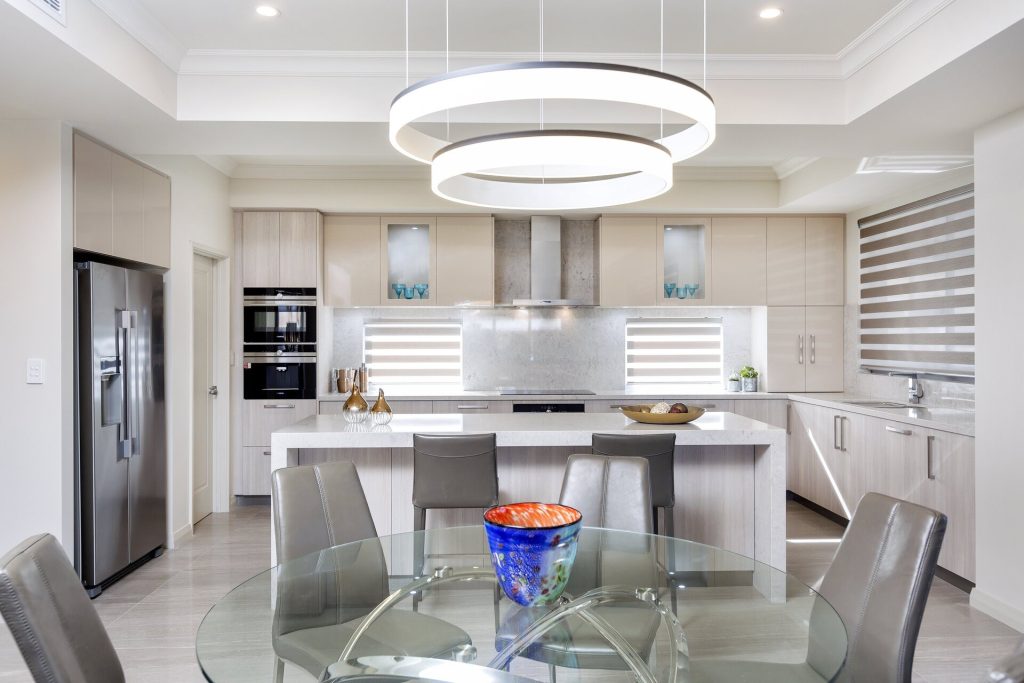
Quick answer: Professional lighting design transforms a room from basic to breathtaking. By carefully layering ambient, task, and accent lighting, and selecting the right color temperatures, you can dramatically improve the mood, functionality, and aesthetic appeal of any space.
Walking into a well-lit room feels instantly welcoming. The secret behind that comfortable environment rarely lies solely in the furniture or the architectural details. Often, the hidden element tying everything together is the illumination. Good lighting naturally guides the eye and sets a distinct mood, while poor lighting creates harsh glare, unappealing shadows, and an uncomfortable atmosphere.
Understanding how to manipulate light allows you to completely alter the way a space looks and feels. It turns a standard living room into a cozy retreat and a basic kitchen into a vibrant culinary workspace.
The Core Elements of Lighting Design
Effective lighting requires more than just installing a bright bulb in the center of the ceiling. A well-executed Lighting Design relies on layering different types of light to build depth and serve specific functions.
Ambient Lighting
This is the foundational layer. Ambient light provides overall illumination to a room, ensuring you can navigate the space safely. It usually comes from overhead fixtures, recessed ceiling lights, or large windows during the day. The goal of ambient lighting is to create a uniform level of light without causing harsh glare.
Task Lighting
Once the foundation is set, you need dedicated light for specific activities. Task lighting focuses brighter light on areas where you work, read, or cook. Under-cabinet lights in a kitchen, a specialized reading lamp next to an armchair, or a focused desk lamp in a home office all serve this purpose. This layer ensures you have the visibility required for detailed tasks without needing to over-illuminate the entire room.
Accent Lighting
The final layer adds drama and visual interest. Accent lighting highlights architectural features, artwork, or specific decor elements. Wall sconces, track lighting, or strategically placed uplights draw attention to the most beautiful parts of a room. This technique adds dimension and breaks up the visual monotony of a space.
Controlling Mood with Color Temperature
Beyond the physical placement of fixtures, Professional Lighting Design heavily considers the color temperature of the bulbs. Measured in Kelvins (K), color temperature dictates whether a light feels warm and cozy or cool and energetic.
Low color temperatures (2700K to 3000K) emit a warm, yellowish glow. This mimics the soft light of a sunset or a candle, making it ideal for bedrooms, living rooms, and dining areas where relaxation is the primary goal.
Higher color temperatures (4000K to 5000K) produce a cooler, bluish-white light. This crisp illumination mimics daylight and promotes focus and alertness. It is highly effective in home offices, bathrooms, and kitchens where clear visibility is essential. Mixing these temperatures thoughtfully throughout a home ensures each room supports its intended function.
Elevating Your Space
Lighting is a fundamental component of interior architecture. Taking a deliberate approach to Lighting Design allows you to highlight your home’s best features while making the environment incredibly livable.
Start by evaluating the activities that happen in each room. Identify where you need focused brightness and where you want soft, ambient warmth. By layering your light sources and paying close attention to color temperature, you can craft a space that feels deeply personal, highly functional, and perfectly balanced. The right approach to illumination does more than just banish the dark; it brings your environment to life.