
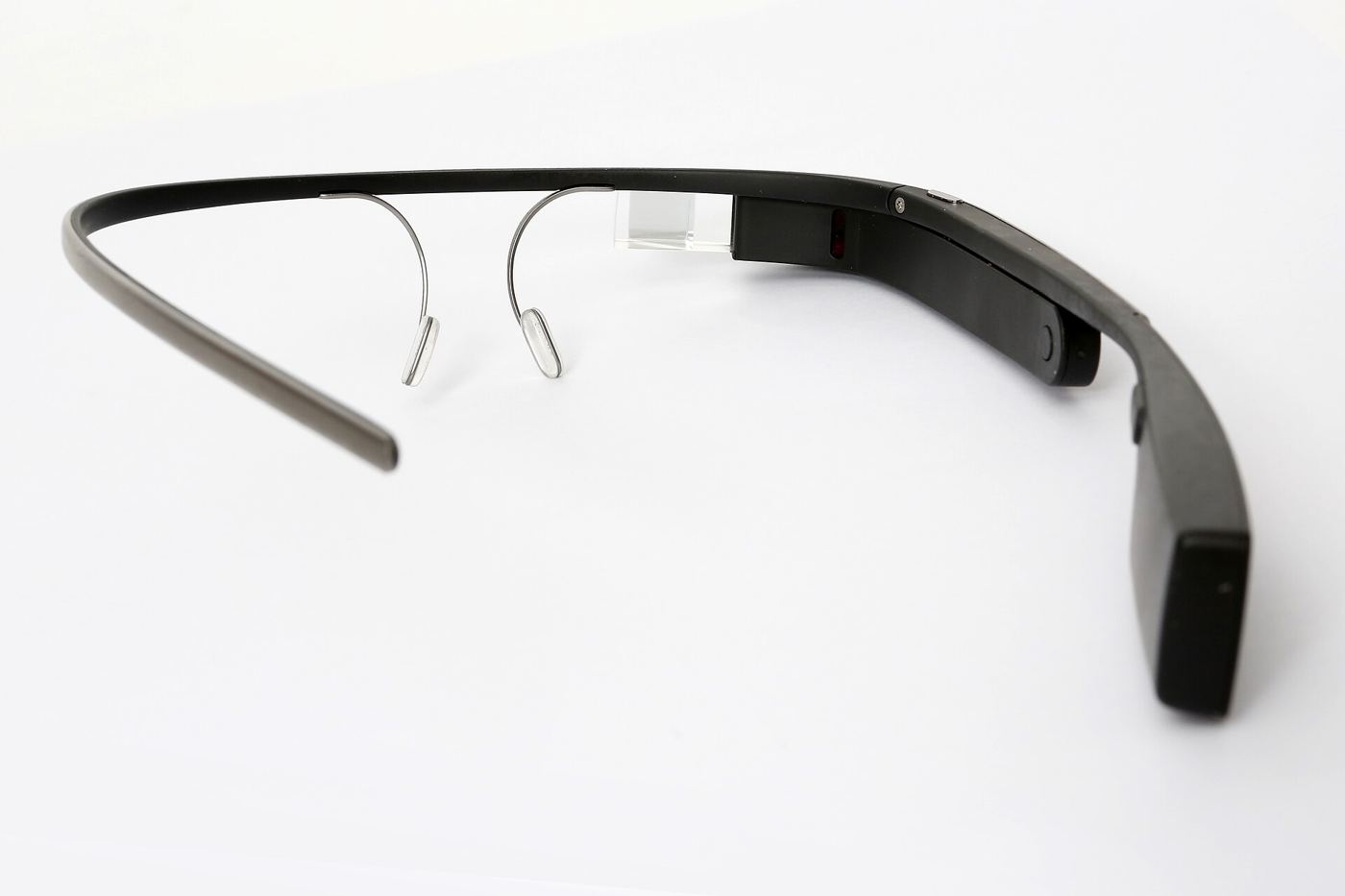
Smart glasses fitted with cameras and spatial audio are giving blind and partially sighted travellers a new way to navigate busy cities independently. The glasses observe pavements, crossings, shopfronts and obstacles, then describe the scene through discreet spoken prompts delivered to one ear, leaving the other free to hear traffic and conversation. In trials run with orientation instructors, participants used the devices to complete unfamiliar routes involving bus stops, pedestrian crossings and crowded station concourses. Users emphasise that the technology works best alongside, not instead of, established skills with a cane or guide dog: the glasses excel at identifying destinations, reading signs and warning about obstacles at head height that a cane cannot detect. Charities involved in the testing say the strongest response came from people who had stopped making spontaneous trips, and who described the prospect of travelling somewhere new, unaccompanied, as the real breakthrough.
What the Evidence Shows
Developers are learning that restraint matters as much as capability in assistive technology. Early versions narrated too much, overwhelming users with descriptions of parked cars and passers-by, so current systems prioritise hazards, decision points and the specific destination a traveller has requested. Battery life remains a constraint, and the devices must fail gracefully, announcing low power early rather than falling silent mid-route. Privacy questions surround camera-equipped eyewear in public spaces, and manufacturers have added visible recording indicators and on-device processing to address them. Cost is the largest barrier: at current prices the glasses are beyond most individuals, and campaigners argue they should be funded like other mobility aids when they demonstrably restore independence. Transport authorities in several cities are now mapping obstacle data into open formats the glasses can use, a quiet piece of infrastructure that may matter as much as the hardware itself. Reporting and analysis from sources such as MIT Technology Review track the same developments, and specialists following audio navigation smart glasses accessibility say the direction is now consistent across independent lines of evidence.
The Wider Context
The wider context is an industry learning to ship capability and restraint together. Products built around audio navigation smart glasses accessibility now launch with safety evaluations, usage data and rollback plans as standard, because enterprise buyers and regulators ask for them in the first meeting. Companies that treated those questions as friction are discovering they have become the purchase criteria.
What Happens Next
What happens next for audio navigation smart glasses accessibility depends less on another breakthrough than on the unglamorous work of reliability, pricing and support. The buyers evaluating it now are not enthusiasts; they are operators with budgets and auditors, and their checklists will decide the timeline. On the evidence of the current pilots, the technology has earned the right to be judged by them. You can follow related developments in our coverage of technology.
There is a practical lesson in all of this for readers deciding what to do today. Start with the verified facts, be wary of anyone promising certainty, and prefer reversible steps while the evidence is still developing. Circumstances differ by country, income and personal situation, so general guidance should always be weighed against your own context before you act on it in any significant or lasting way.


