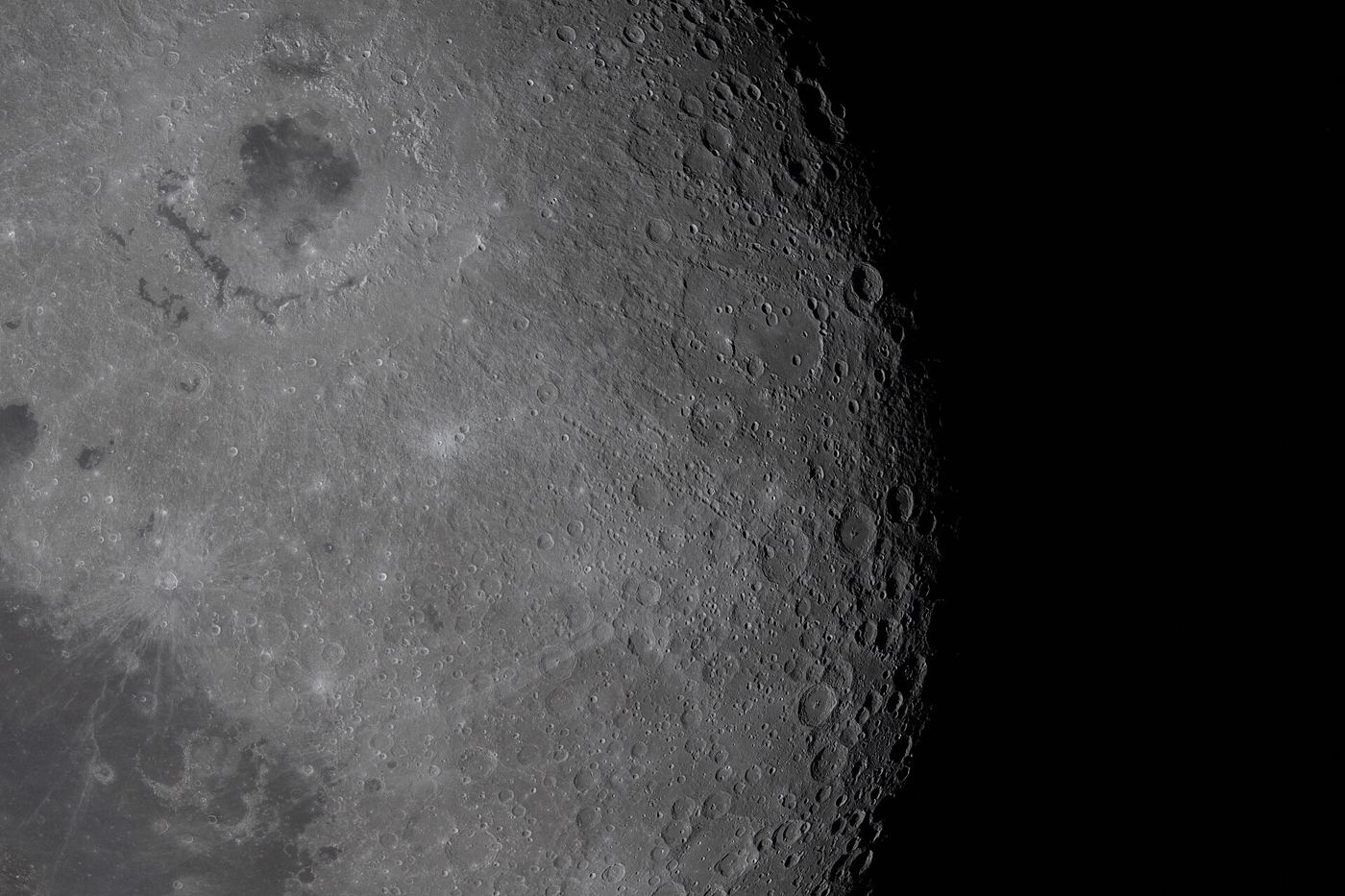
Some of the coldest places in the solar system lie in permanent shadow on the Moon, inside polar craters whose floors have not seen sunlight for billions of years. In those natural freezers, water ice delivered by comets, asteroids and volcanic gases from the Moon’s interior can survive instead of evaporating into space. Recent orbital measurements have refined maps of where that ice is most likely to sit, distinguishing broad frost deposits from richer concentrations buried beneath dry surface dust. The distinction is important for science and exploration alike. Ice that records ancient deliveries of water can reveal how the Earth and Moon acquired their supplies, while accessible deposits could one day support drinking water, oxygen and even rocket propellant for lunar missions. Researchers combine neutron detectors, ultraviolet reflections and radar echoes to locate the deposits, since no single instrument sees ice unambiguously. Where several methods agree, confidence grows that a crater floor holds material worth visiting with a lander or rover.
What the Evidence Shows
Exploring these shadowed regions will be technically demanding, because landers must operate in extreme cold and near darkness, often without direct communication with Earth. Engineers are testing drills, lamps and power systems designed for those conditions, including rovers that dip briefly into shadow from sunlit staging points. Scientists also debate how the ice is structured: whether it forms clean layers, mixes through the soil as grains, or concentrates in patches that sampling could easily miss. Answering that question changes how much material a mission would need to excavate to be useful. There are stewardship questions too, since the first visits will disturb pristine deposits that hold a long scientific record, and mission planners are discussing how to document sites before altering them. Whatever the eventual approach, the Moon’s polar ice has shifted from a suspected curiosity to a central feature of lunar science, linking questions about the solar system’s history with practical plans for sustained exploration over the coming decades. Reporting and analysis from sources such as NASA track the same developments, and specialists following water ice preserved in shadowed lunar craters say the direction is now consistent across independent lines of evidence.
The Wider Context
Funding bodies are watching water ice preserved in shadowed lunar craters closely because the work sits at the junction of basic curiosity and practical return. Grant panels increasingly ask for a path from discovery to application, while researchers push back that the most valuable uses of fundamental science are rarely the ones written into the original proposal. The tension is productive when both sides stay honest about timescales.
What Happens Next
The long view on water ice preserved in shadowed lunar craters is that fields advance by accumulation rather than by single announcements. This result adds a solid, checkable piece to a structure many teams are building, and its authors have shared their data so the piece can be tested from every side. That is how the picture eventually becomes reliable enough to act on. You can follow related developments in our coverage of science.
It is also worth remembering how quickly the picture in this area has changed before. Positions that looked settled a few years ago have been revised as new data arrived, and the same humility is appropriate now. The strongest coverage of this subject, and the most useful advice, tends to come from sources that update their views openly when the facts move, rather than defending an earlier position long after it has stopped fitting the evidence available.