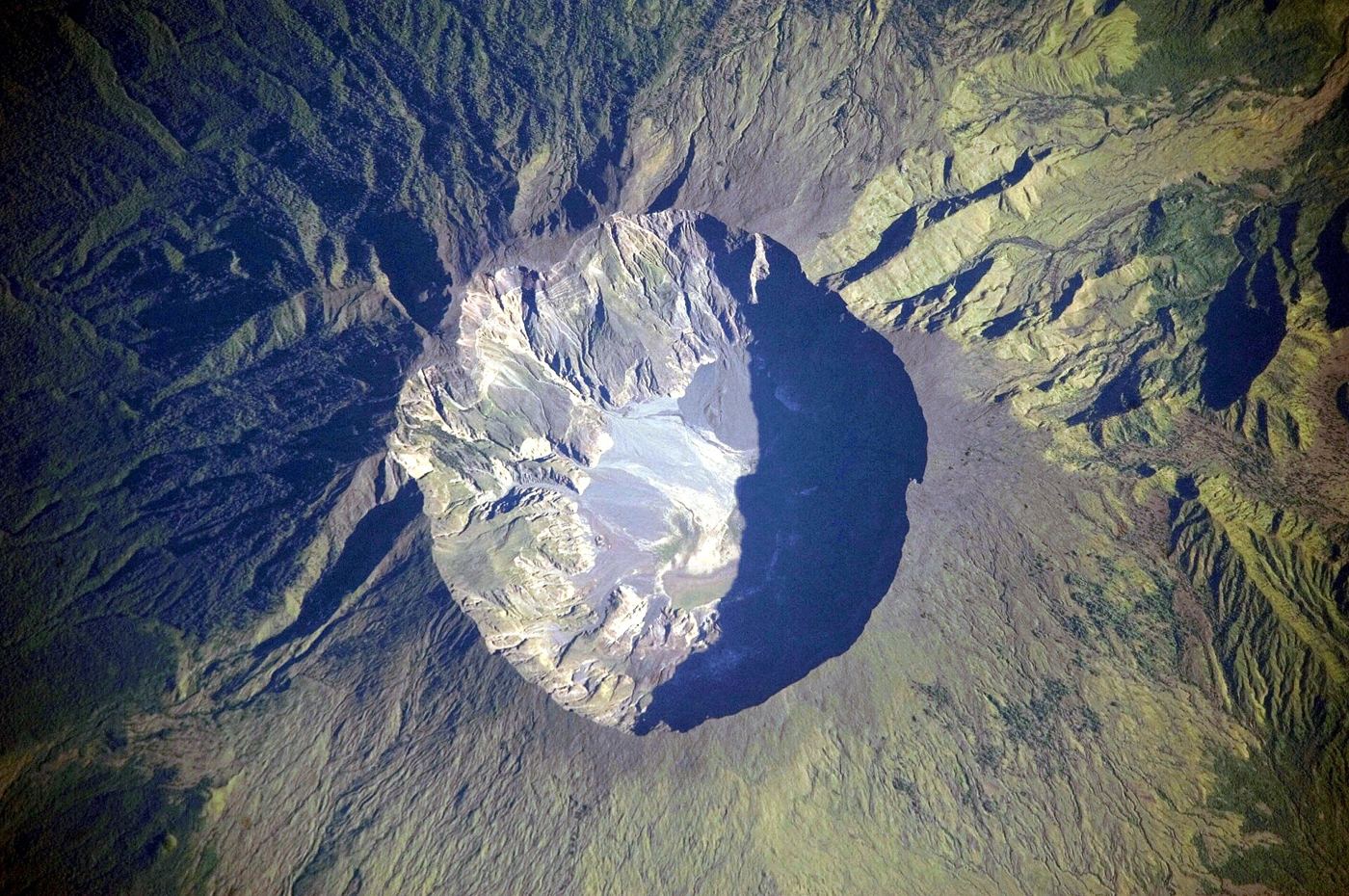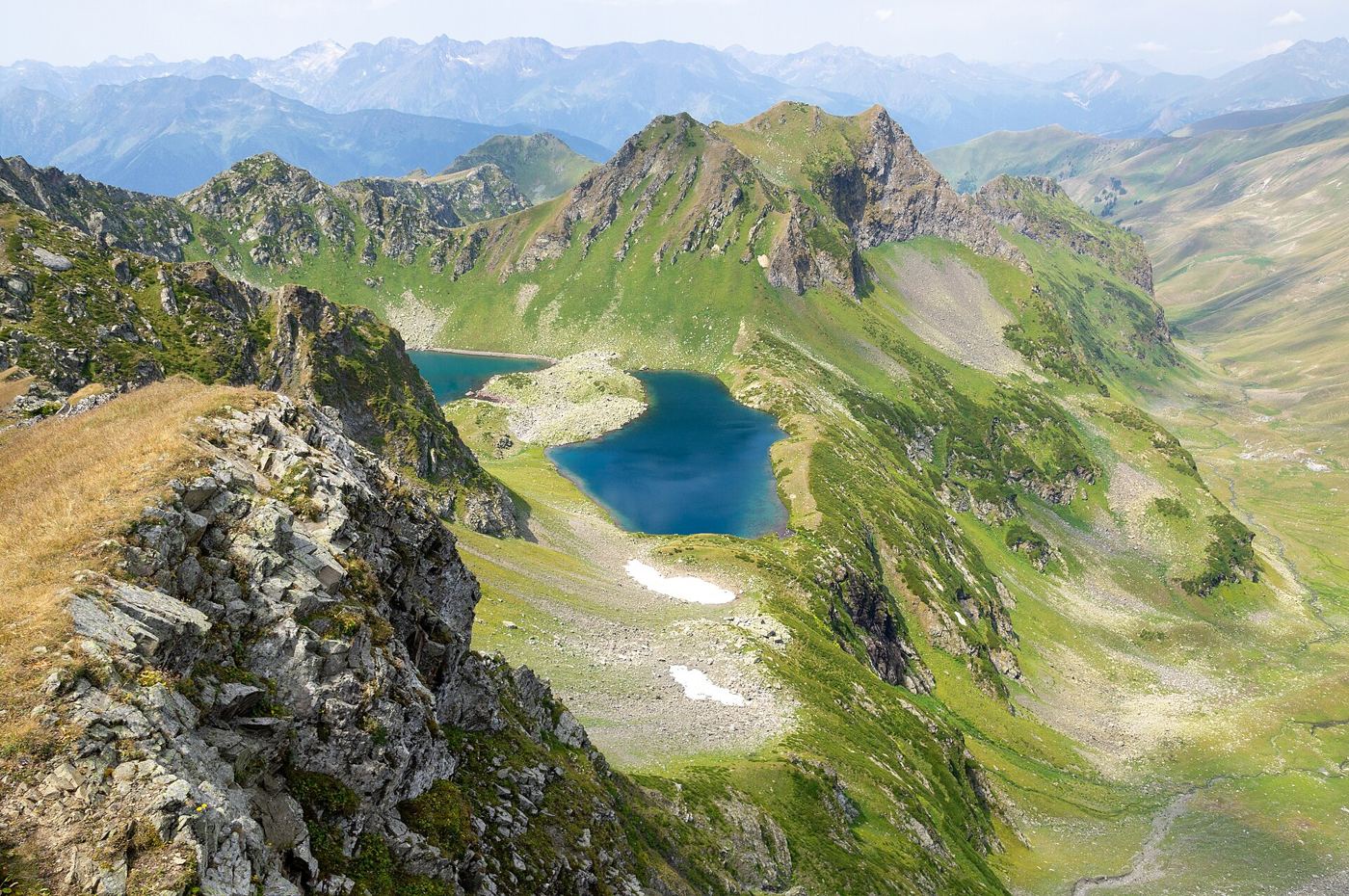
Where a glacier retreats, it leaves behind a landscape that looks barren at first glance: grey rubble, milky streams and ponds, and rock polished smooth by ice. Ecologists who return to the same valleys year after year, however, watch that emptiness fill with life in a surprisingly ordered sequence. Microbes arrive first, including bacteria that can fix nitrogen from the air and begin building the raw ingredients of soil. Mosses and hardy pioneer plants follow, stabilising loose debris and trapping dust and seeds. Over decades, shrubs and eventually trees may take hold, while insects, birds and small mammals move in as food and shelter develop. Because scientists often know the year each strip of ground was uncovered, glacier forefields work like a timeline laid out across a valley floor. Walking from the ice edge outward is walking forward through ecological time. That makes these sites unusually powerful for studying how ecosystems assemble from nothing, how soils form, and how species interactions develop. The research also carries a sobering context, since the opportunity exists only because ice that persisted for centuries is disappearing, with consequences for water supplies and hazards downstream that unfolding meadows cannot offset.
What the Evidence Shows
A central question is whether colonisation can keep pace as retreat accelerates. In slower times, nearby established vegetation supplied seeds and animals to new ground. If ice vanishes faster and over wider areas, the distance from seed sources grows and harsh, nutrient-poor conditions may hold succession back. Researchers compare forefields in different climates to see which factors matter most, from temperature and rainfall to the geology of the exposed rock. They also watch for surprises, such as invasive species arriving early, or specialised alpine plants losing the cold refuges they need as valleys warm. Newly formed glacial lakes add another habitat, quickly used by insects and amphibians, though some lakes pose flood risks if natural dams of loose debris fail. Conservation planners are beginning to treat deglaciated land as a category worth deliberate protection, rather than leftover space, because these young ecosystems are scientifically unique and easily damaged by development or heavy recreation. It does ensure that the landscapes emerging in the ice’s place are documented, understood and given the chance to mature into functioning mountain ecosystems. Reporting and analysis from sources such as NASA track the same developments, and specialists following life colonising deglaciated ground say the direction is now consistent across independent lines of evidence.
The Wider Context
Funding bodies are watching life colonising deglaciated ground closely because the work sits at the junction of basic curiosity and practical return. Grant panels increasingly ask for a path from discovery to application, while researchers push back that the most valuable uses of fundamental science are rarely the ones written into the original proposal. The tension is productive when both sides stay honest about timescales.
What Happens Next
The long view on life colonising deglaciated ground is that fields advance by accumulation rather than by single announcements. This result adds a solid, checkable piece to a structure many teams are building, and its authors have shared their data so the piece can be tested from every side. That is how the picture eventually becomes reliable enough to act on. You can follow related developments in our coverage of science.
It is also worth remembering how quickly the picture in this area has changed before. Positions that looked settled a few years ago have been revised as new data arrived, and the same humility is appropriate now. The strongest coverage of this subject, and the most useful advice, tends to come from sources that update their views openly when the facts move, rather than defending an earlier position long after it has stopped fitting the evidence available.