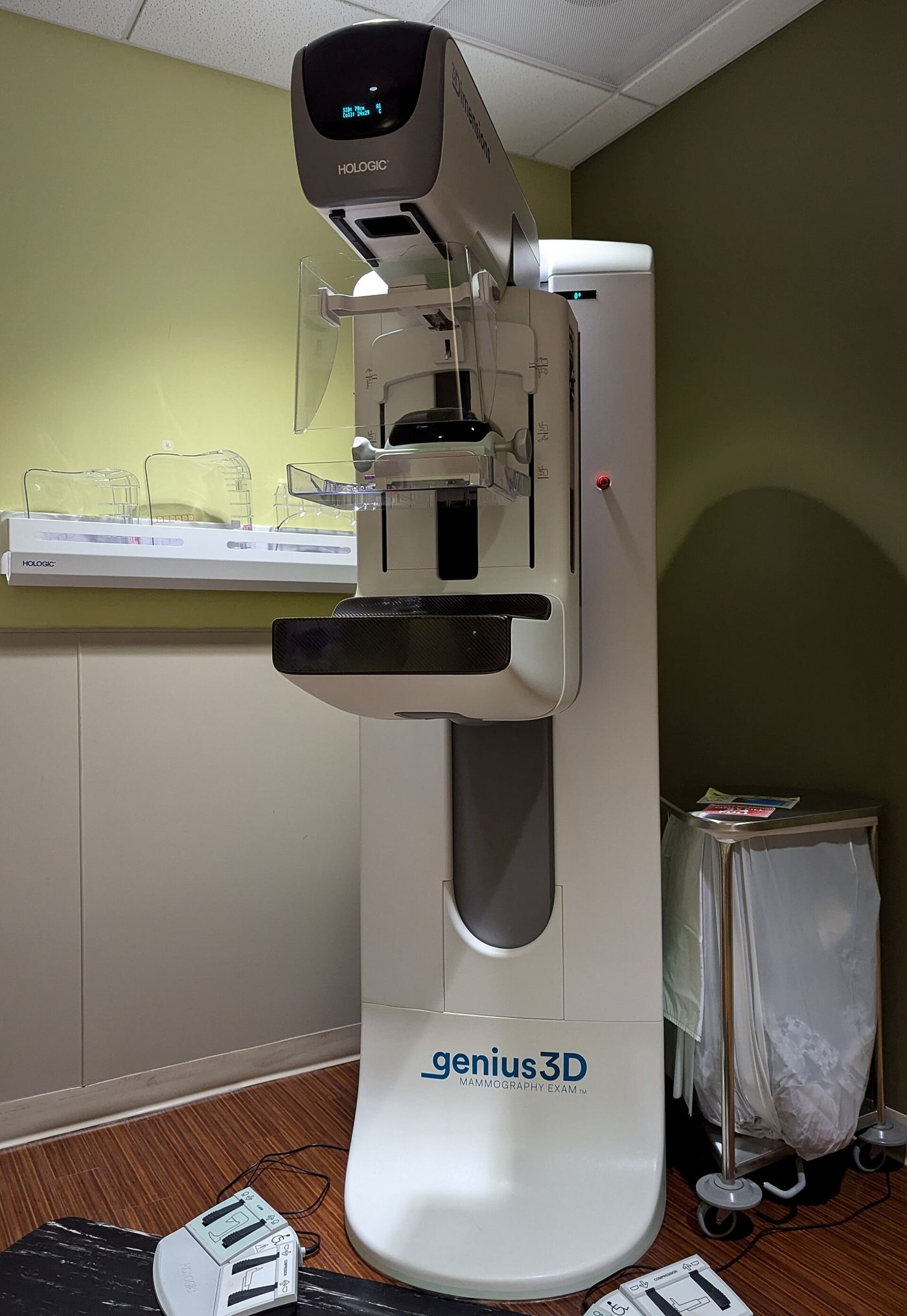
Weight loss with GLP-1 drugs is linked to higher breast density on mammograms, a change that could lead to extra call-backs for more testing, according to a new study reported by Reuters on 25 November 2026. The study followed 107 women aged 34 to 79 who used GLP-1 drugs for at least one year and lost an average of 40 pounds, or 18 kilograms. In every case, breast density increased between the baseline mammogram and the one taken after weight loss, with greater weight loss tied to a greater increase. The screening recall rate reached 22.4 percent, compared with an average United States screening recall rate of about 10 percent.
What the Evidence Shows
Study leader Dr Eva Gombos of Brigham and Women’s Hospital in Boston said the work is among the first to track breast density directly with paired mammograms taken before and after GLP-1 weight loss. The researchers suggest the change reflects a disproportionate loss of breast fat, which makes the remaining tissue appear relatively more prominent without increasing its absolute amount. The findings were presented ahead of the Radiological Society of North America meeting in Chicago. The authors stress that denser-looking tissue does not mean the women have more glandular tissue, but radiologists and patients should know that call-backs may become more likely after substantial weight loss. More research is needed to see whether the pattern holds in larger groups and over longer follow-up. Reporting and analysis from sources such as NASA track the same developments, and specialists following the GLP-1 breast density findings say the direction is now consistent across independent lines of evidence.
The Wider Context
Funding bodies are watching the GLP-1 breast density findings closely because the work sits at the junction of basic curiosity and practical return. Grant panels increasingly ask for a path from discovery to application, while researchers push back that the most valuable uses of fundamental science are rarely the ones written into the original proposal. The tension is productive when both sides stay honest about timescales.
What Happens Next
The long view on the GLP-1 breast density findings is that fields advance by accumulation rather than by single announcements. This result adds a solid, checkable piece to a structure many teams are building, and its authors have shared their data so the piece can be tested from every side. That is how the picture eventually becomes reliable enough to act on. You can follow related developments in our coverage of science.
It is also worth remembering how quickly the picture in this area has changed before. Positions that looked settled a few years ago have been revised as new data arrived, and the same humility is appropriate now. The strongest coverage of this subject, and the most useful advice, tends to come from sources that update their views openly when the facts move, rather than defending an earlier position long after it has stopped fitting the evidence available.