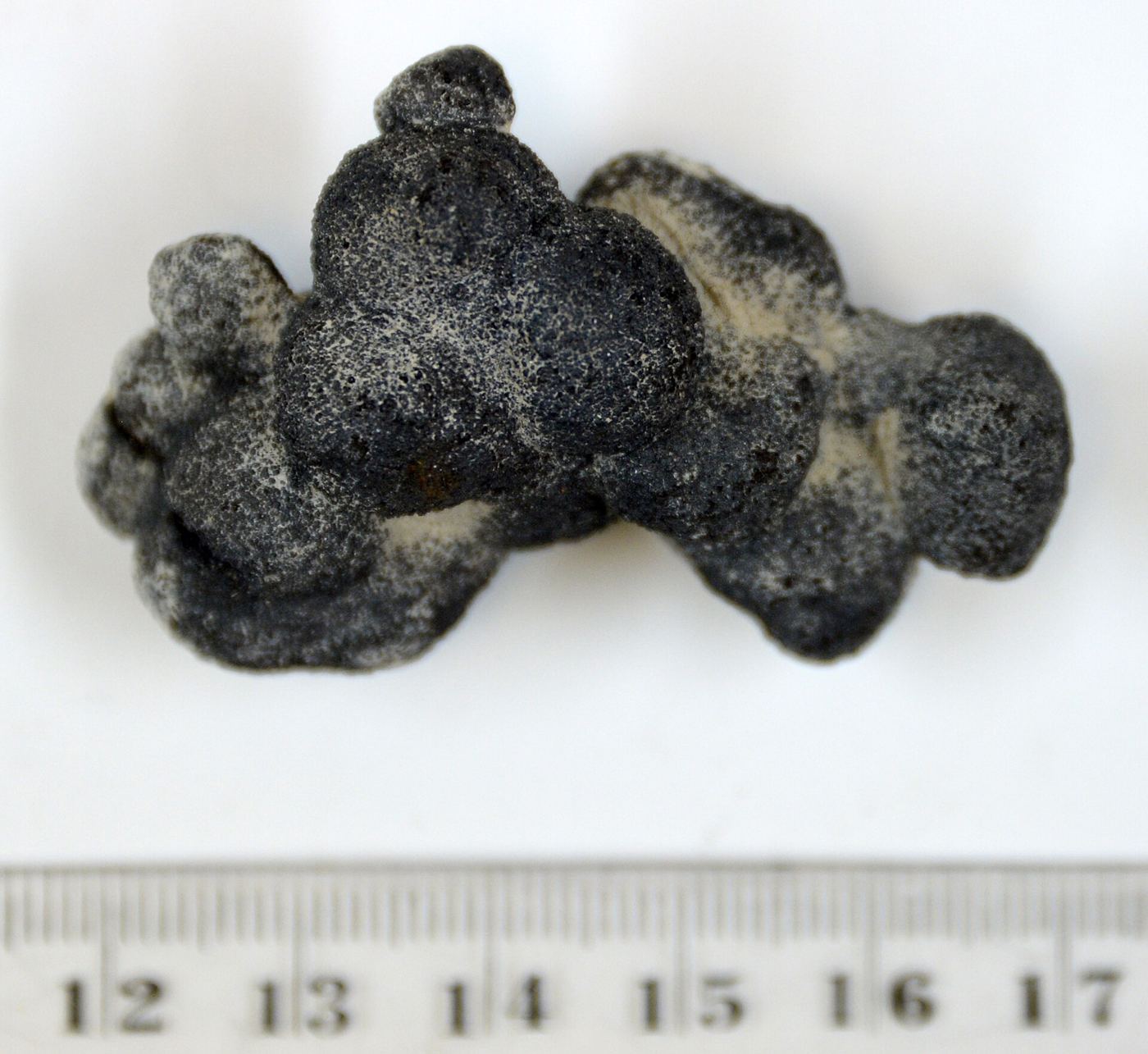
Thousands of tiny animals live hidden inside the metal-rich rocks scattered across the deep Pacific Ocean, marine biologists reported in November 2026. Researchers examined 244 polymetallic nodules collected from the Clarion-Clipperton Zone, a vast abyssal plain between Hawaii and Mexico, and found 4,139 individual animals living in cracks and cavities inside the rocks. One nodule alone contained 245 creatures. The nodules, which grow slowly over millions of years as metals settle from seawater, are also the target of deep-sea mining companies that want the nickel, cobalt and copper they contain. The discovery shows that the rocks are not barren lumps of metal but living habitats.
What the Evidence Shows
The find matters because mining the nodules would destroy the homes of animals that may exist nowhere else, and many of the species found are still being identified. The Clarion-Clipperton Zone is licensed for exploration by several countries and companies, and regulators are deciding how much mining to allow. Scientists say the hidden communities add urgency to those decisions, because the animals inside the nodules could be lost before they are even named. The study also shows how much life the deep ocean still hides, in places that look empty from the outside. Protecting the nodules, the researchers argue, means protecting entire communities. Reporting and analysis from sources such as NASA track the same developments, and specialists following the hidden animal communities inside deep-sea nodules say the direction is now consistent across independent lines of evidence.
The Wider Context
Funding bodies are watching the hidden animal communities inside deep-sea nodules closely because the work sits at the junction of basic curiosity and practical return. Grant panels increasingly ask for a path from discovery to application, while researchers push back that the most valuable uses of fundamental science are rarely the ones written into the original proposal. The tension is productive when both sides stay honest about timescales.
What Happens Next
The long view on the hidden animal communities inside deep-sea nodules is that fields advance by accumulation rather than by single announcements. This result adds a solid, checkable piece to a structure many teams are building, and its authors have shared their data so the piece can be tested from every side. That is how the picture eventually becomes reliable enough to act on. You can follow related developments in our coverage of science.
It is also worth remembering how quickly the picture in this area has changed before. Positions that looked settled a few years ago have been revised as new data arrived, and the same humility is appropriate now. The strongest coverage of this subject, and the most useful advice, tends to come from sources that update their views openly when the facts move, rather than defending an earlier position long after it has stopped fitting the evidence available.