
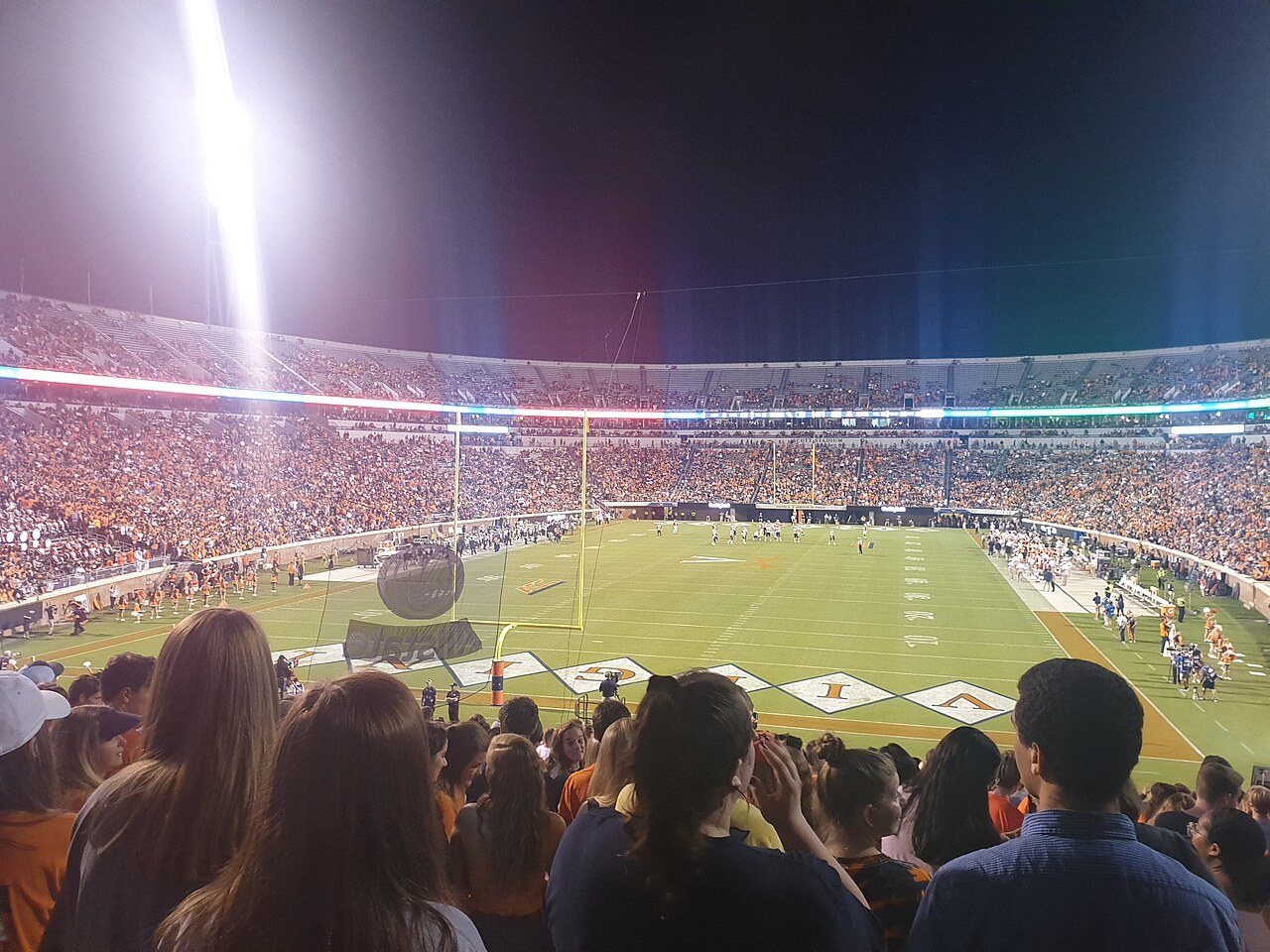
The NFC North has become the division nobody can put away. Four franchises with genuine ambitions, four fan bases convinced the schedule is about to break their way, and a table so compressed that a single Sunday can reshuffle the order from top to bottom. For readers following the race on Serbia Post, the headline is simple: this is no longer a story about one favourite and three hopefuls. It is a four-team argument that will be settled by tiebreakers, divisional games and the cold-weather month still to come.
Why this division keeps producing chaos
Start with the structure. The North’s teams play each other twice, which means six of every team’s seventeen games are worth double in practical terms: a win lifts you and drags a direct rival down at the same time. Add a shared rotation of opponents from the same two opposing divisions, and the four teams end up with remarkably similar strength of schedule. That similarity is exactly why the standings stay bunched. Nobody gets a soft month while somebody else runs a gauntlet, so small edges — a healthier roster, a kicker in form, one takeaway at the right moment — show up immediately in the table.
It also explains the recent history of the division trading places. Detroit’s rise from perennial spoiler to standard-setter, Green Bay’s habit of reloading around a young core rather than rebuilding, Minnesota’s knack for winning one-score games, and Chicago’s investment in a new offensive era have all landed at once. The result is a division where the gap between first and fourth is often smaller than the gap between fourth and the playoff line in weaker divisions.
The tiebreakers that now matter as much as wins
When teams finish level, the NFL does not reach for a coin toss until it has worked through a long ladder of tiebreakers, set out in the league’s official standings and tiebreaking procedures. The first is head-to-head record, which is why those two divisional meetings carry so much weight. After that comes record inside the division, then record against common opponents, then conference record, then strength of victory and strength of schedule.
Coaches rarely talk about tiebreakers in October, but front offices think about them constantly, because they quietly shape in-game decisions. Going for two late in a divisional game, resting or risking a banged-up starter in a short week, even how aggressively a team plays the final minute of a game it is already winning — strength of victory rewards beating good teams, not merely piling up wins over struggling ones. Fans scanning our blog coverage will see the phrase again and again over the next month: the second meeting between two North rivals is effectively a two-game swing in the tiebreaker column as well as the standings.
What the next month decides
The coming stretch is where the race usually separates. Divisional rematches cluster in the second half of the season, cold and wind begin to tax dome-built offences, and the bye weeks are gone, so depth rather than star power decides close games. Watch three things. First, quarterback availability: every contender’s ceiling is tied to one player’s health, and the North has no margin for a three-week absence. Second, the trenches in bad weather — the team that can run the ball in late November travels better than the team built purely on timing routes. Third, the one-score ledger. Minnesota and Green Bay have both lived on late-game execution in recent seasons; regression in those moments is the fastest way for a leader to fall back into the pack.
The bottom line
The honest answer to “who leads the NFC North” is that leadership is currently a weekly lease, not a property deed. The team on top holds the best combination of divisional wins and common-opponent results, the chasers are one result away, and even the fourth-place side can point to a path that does not require miracles — just a sweep of its remaining divisional games. That is what makes the next month the best viewing in football: every North game is effectively a playoff game played early, and the tiebreaker maths means none of them are ever quite finished when the clock hits zero. The standings will keep moving; the only guarantee is that they will not move quietly.