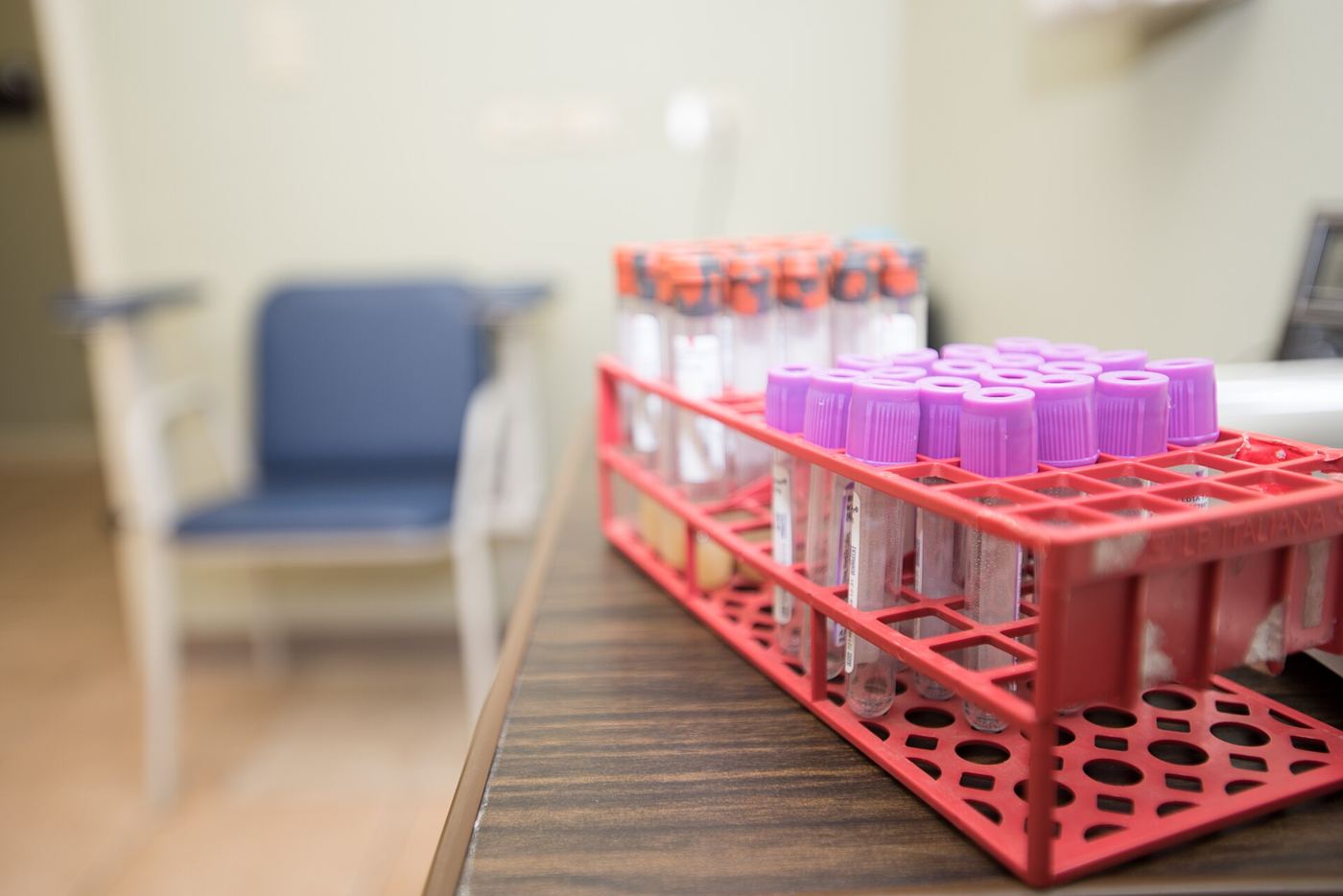
Clinic appointments are short, and it is surprisingly easy to leave one realising that the most important detail was never mentioned. Writing symptoms down before a visit is a simple preparation step that helps patients and clinicians use those minutes well. A useful note is brief and specific: when the symptom started, where it is felt, how often it happens, what makes it better or worse, and any medicines already tried. Adding questions to the same page, in order of importance, ensures that the biggest concern is raised first rather than squeezed in at the door. Bringing a list of current medicines and any recent test results, where available, completes a small folder that answers most of the questions a clinician is likely to ask. This article is general information only and does not replace personal medical advice. Anyone with severe or rapidly worsening symptoms should seek urgent care rather than waiting for a routine appointment. For ordinary visits, though, preparation changes the feel of the conversation. Instead of searching memory under pressure, patients can speak from notes, and clinicians can move more quickly to examination, explanation and a clear plan that everyone understands.
What the Evidence Shows
The written record keeps helping after the appointment ends. Noting what was discussed, what happens next and when results are expected prevents the familiar confusion a few days later about whether to call, wait or book again. People who attend appointments with relatives often find that shared notes stop well-meaning family members receiving different versions of the same advice. A simple system works best: one notebook or phone note used only for health appointments, updated after each visit, with dates kept in order. Over time it becomes a personal timeline that is invaluable if symptoms return or care moves between services. It also helps patients notice patterns themselves, such as headaches always following poor sleep, which can lead to a more useful discussion next time. None of this requires medical knowledge, only a few quiet minutes at the kitchen table the evening before. In a health system where appointment time is precious for everyone, arriving with clear notes is a small courtesy to yourself and to the clinician, and it quietly improves almost every visit that follows. Reporting and analysis from sources such as World Health Organization track the same developments, and specialists following writing symptoms clinic visit say the direction is now consistent across independent lines of evidence.
The Wider Context
The wider context is a health system trying to move from treating illness late to preventing it early, against budgets that reward the opposite. Evidence around writing symptoms clinic visit is being weighed by guideline committees that ask two questions in order: does it work, and can ordinary services actually deliver it at scale. Many good ideas pass the first test and stall on the second.
What Happens Next
What happens next for writing symptoms clinic visit depends on the slow machinery of guidelines, funding and training catching up with the evidence. Patients asking about it today should expect honest answers that include uncertainty, and clinicians say a service that explains what is not yet known earns more trust than one that oversells. The research pipeline, at least, is moving in the right direction. You can follow related developments in our coverage of health.
There is a practical lesson in all of this for readers deciding what to do today. Start with the verified facts, be wary of anyone promising certainty, and prefer reversible steps while the evidence is still developing. Circumstances differ by country, income and personal situation, so general guidance should always be weighed against your own context before you act on it in any significant or lasting way.