
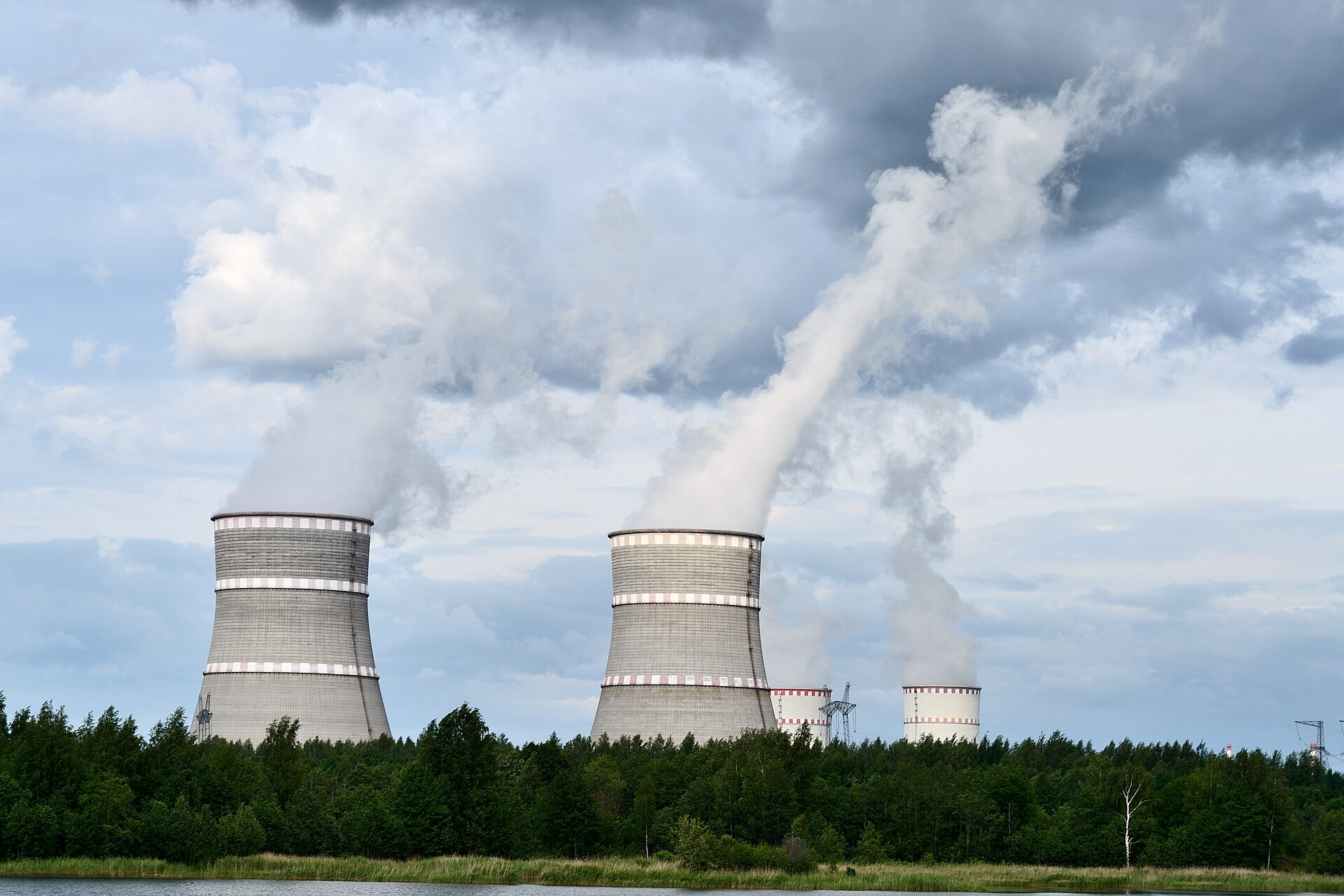
Energy policy in Europe used to be a story of markets and climate targets. The gas crisis rewrote it as a story of security — and security, in the European telling, increasingly has a nuclear chapter. Across the continent, the evidence accumulates: lifetime extensions for reactors once scheduled to close, new-build programmes revived in countries that had sworn off the atom, and outright bans repealed, most symbolically in nations that defined themselves by opposition. The continent that invented the nuclear exit is quietly walking it back.
The Balkans feel the shift concretely. Serbia, long reliant on coal and imports, has lifted its decades-old moratorium on nuclear construction to study the option openly; neighbours from Romania to Bulgaria are expanding or planning capacity; and the region’s grids, interconnection by interconnection, are being woven into a European system whose backbone planners describe in firm megawatts, not hopes. Our news desk has followed the pivot from Belgrade to Brussels.
What Changed the Argument
Three facts converged. First, dependence: the weaponisation of pipeline gas demonstrated that imported energy is a lever an adversary can pull, and every imported fuel now carries a security audit alongside its price. Second, demand: electrification of transport, heating and industry — plus AI’s new appetite — ended the era of flat consumption, and grids need firm power to grow into. Third, technology’s own lobby: renewables’ costs fell so far that the argument is no longer nuclear versus wind, but whether firm low-carbon sources are needed alongside them, a question system modellers at the International Energy Agency increasingly answer in the affirmative.
The politics followed the facts at national speeds. France never left. Poland chose nuclear as its coal exit. Sweden reversed its phase-out; Italy is legislating a return a generation after referendum; Belgium extended reactors it had scheduled to shutter. Germany, the great exception, completed its exit — and now debates it in opposition manifestos, which is its own kind of concession.
The Hard Part Hasn’t Changed
Nuclear’s European problem was never only politics; it is delivery. The continent’s recent projects ran famously late and over budget, its supply chains and skills thinned during the exit decades, and the small modular reactors meant to solve the scale problem remain, as yet, mostly renderings. The revival’s credibility will be built or lost on the first projects that arrive on schedule — a sentence that has been true, and unfulfilled, for twenty years.
Small Reactors, Large Promises
Much of the revival’s hope is invested in small modular reactors — factory-built units a fraction of a conventional plant’s size, promising construction in years rather than decades and price tags a utility can sign without a sovereign guarantee. The designs are multiplying; the operating fleet, outside Russia and China, is not — a gap between rendering and reality that the industry must close this decade or watch the revival’s political capital expire. The first Western SMRs now under construction are therefore carrying far more than their megawatts.
For countries like Serbia, studying the option from the beginning, the SMR question is happily deferred: the preliminary work — regulation, siting, skills, public argument — takes the same decade whether the eventual machine is large or small. Energy security, the region is learning, is a long game played in institutions before it is played in concrete.
The revival still has to survive contact with construction reality: Europe’s recent reactor projects ran famously late and over budget. Whether the new generation of smaller, standardised designs can break that pattern is the test on which the whole strategy now rests.
Still, the direction is historic. Europe has decided that energy is security, that security requires firm domestic power, and that the atom is back inside the definition of both. The reactors will take a decade to prove the decision right. The decision itself is already made. More at serbiapost.com.


