
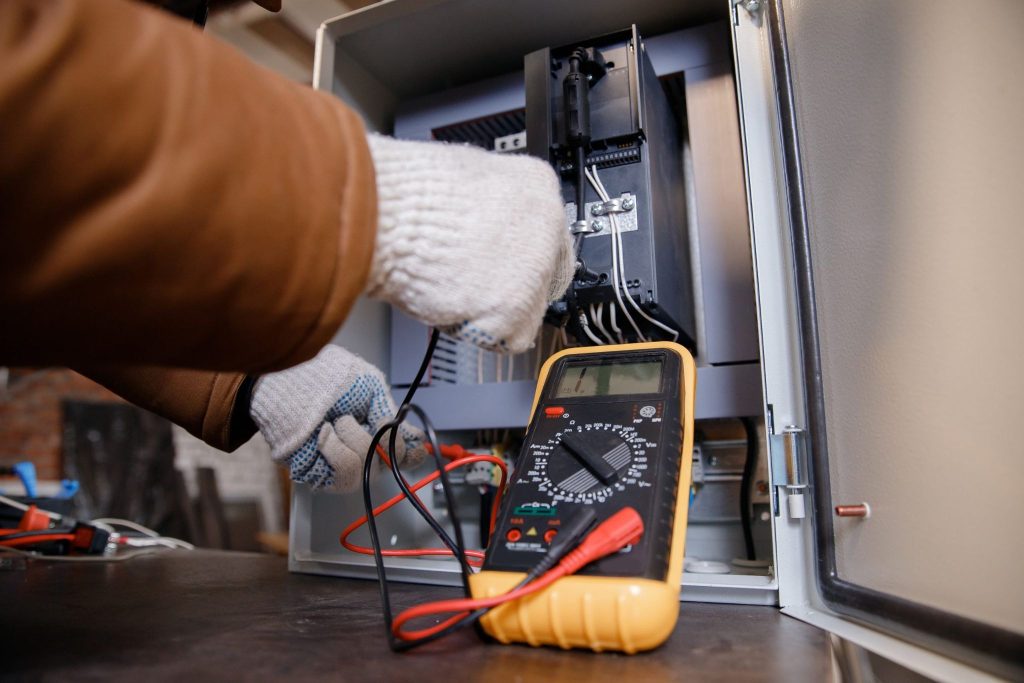
When moving into a new property, managing a rental home or running a business, there is one part of the building that should never be overlooked: the electrical installation. Wiring and electrical components are often hidden behind walls, ceilings and floors, so it can be difficult to know whether everything is genuinely safe simply by looking around.
An electrical system can continue powering lights and appliances while developing faults in the background. That is why professional inspection and testing can be a valuable part of property maintenance.
For homeowners, landlords and businesses in the region, Electrical Testing Telford provides a practical way to establish the condition of an installation, uncover potential defects and decide whether any improvements or repairs are needed.
When Is It Time to Have Your Electrics Checked?
There is no benefit in waiting for a major electrical failure before investigating the condition of a property. Testing can be particularly worthwhile when there is uncertainty about the age, history or previous alterations to an installation.
A professional inspection may be appropriate when:
- Buying or selling a property
- Taking responsibility for an older building
- Preparing a property for tenants
- Carrying out major refurbishment
- Adding new electrical circuits
- Installing high-demand equipment
- Managing a commercial or industrial premises
- Experiencing recurring electrical faults
- An installation has not been inspected for an extended period
Previous owners or contractors may have made alterations that are not immediately obvious. Testing can help provide a clearer picture of what is actually present within the electrical system.
What Can an Electrical Inspection Reveal?
Electrical testing is designed to go beyond the simple question of whether a socket or light is working.
A qualified electrician can examine relevant parts of an installation and use appropriate testing methods to identify conditions that may not be visible during everyday use.
Depending on the property and scope of the inspection, potential concerns may include damaged wiring, poor connections, defective protective devices, unsuitable alterations, problems with earthing and bonding, overloaded circuits or deteriorating components.
These problems can develop for many reasons. An installation may simply be ageing, or changes to the property may have increased the demand placed on the electrical system.
For example, a building that was originally designed around a relatively small number of appliances may now contain computers, modern heating equipment, kitchen appliances, EV charging equipment and other electrical loads.
Testing helps determine whether the existing installation remains appropriate for its current use.
Understanding the Difference Between an EIC and EICR
Electrical certificates and reports can sometimes seem confusing to property owners. Two important documents associated with inspection and testing are the Electrical Installation Certificate and the Electrical Installation Condition Report.
Electrical Installation Certificate
An Electrical Installation Certificate, or EIC, is generally associated with new electrical installations and significant additions or alterations to an existing installation.
After the relevant work has been completed, inspection and testing are carried out to verify that the installation meets the applicable requirements of BS 7671.
The certificate provides a useful record of the electrical work and its verification.
Electrical Installation Condition Report
An Electrical Installation Condition Report, commonly called an EICR, is used to assess an existing electrical installation.
Rather than concentrating on newly completed work, an EICR examines the condition of an existing system and considers whether it remains suitable for continued use.
This makes EICRs particularly relevant to landlords, older properties and commercial premises where the condition of an existing installation needs to be established.
Electrical Testing Telford for Property Owners
Owning a property involves much more than maintaining its appearance. Roofs, plumbing, heating and structural elements all need attention, and the electrical system should be treated with the same level of responsibility.
Electrical testing can give a homeowner greater confidence when dealing with an older installation or purchasing a property with an unknown electrical history.
It can also help identify electrical work that may need to be prioritised during renovation.
Instead of discovering a wiring problem halfway through a refurbishment, an inspection can provide useful information at an earlier stage. This can make it easier to budget for remedial work and avoid unnecessary surprises later.
Why Landlords Should Take Electrical Condition Seriously
For landlords, electrical maintenance has an additional layer of importance because the condition of the installation affects tenants as well as the property itself.
An electrical system may be used every day by people who have no knowledge of its age or previous maintenance. Landlords therefore need to take reasonable steps to ensure the electrical installation remains safe.
Where the relevant regulations apply, landlords must arrange the appropriate inspection and testing, retain the necessary documentation and provide tenants with the required report within the applicable timeframe.
Professional Electrical Testing Shropshire can therefore be an important part of a landlord’s wider property maintenance strategy.
Keeping reports and electrical records organised also makes it easier to monitor the condition of the property over time.
A Safer Approach to Commercial Property Maintenance
Commercial buildings can have considerably more demanding electrical requirements than ordinary homes.
An office might rely heavily on lighting, computers, servers and communication systems, while a workshop or manufacturing facility may use motors, machinery and three-phase electrical equipment.
Other commercial properties may have security systems, data cabling, specialist equipment and EV charging facilities.
An electrical problem in these environments can potentially affect more than safety. It may interrupt operations, cause equipment downtime or create unexpected repair costs.
Regular inspection and testing can form part of a planned maintenance programme, helping businesses identify potential problems and arrange appropriate work before an electrical issue causes unnecessary disruption.
The Benefits Go Beyond Safety
Safety is naturally the primary reason for professional electrical testing, but there are several other practical advantages.
Better Maintenance Decisions
An inspection can provide information that helps a property owner decide which electrical issues need attention and which improvements can be planned for later.
This makes maintenance more organised rather than relying entirely on emergency repairs.
Fewer Unexpected Problems
No inspection can guarantee that an electrical system will never develop a fault. However, identifying existing defects can reduce the likelihood of some problems being left unnoticed.
Addressing issues early can also prevent a relatively manageable repair from becoming more complicated.
Protection for Electrical Equipment
Modern homes and businesses depend on expensive electrical equipment. Computers, appliances, machinery, chargers and other devices all depend on a reliable electrical supply.
Identifying faults within the installation can help reduce the risk of conditions that could affect connected equipment.
Supporting Compliance
Electrical systems used in workplaces need to be properly maintained so they do not present danger. Appropriate inspection and maintenance can help businesses meet their responsibilities.
Landlords also have specific obligations relating to electrical safety in rented properties.
Greater Confidence
Perhaps the simplest benefit is knowing more about the condition of the installation.
A professional report provides considerably more useful information than assuming everything is fine because the lights and sockets are working.
Testing Before Adding New Electrical Loads
A property can change significantly over its lifetime. New appliances, extensions, heating systems, workshops and EV chargers can all increase electrical demand.
Before adding major electrical equipment, it is sensible to consider whether the existing installation is suitable for the additional load.
Electric vehicle charging is a good example. A home or business installing a charger needs to consider the electrical capacity and condition of the existing system as well as the charger itself.
Different chargers provide different charging speeds, from slower units intended for longer charging periods to rapid and ultra-rapid systems designed for much faster charging.
A professional electrician can assess the installation and determine what work may be required to provide a safe and suitable charging solution.
Why Experience Matters When Choosing an Electrician
Not every electrical project is the same. A small domestic inspection and the assessment of a manufacturing facility can involve very different challenges.
When choosing a contractor, consider whether the electricians are appropriately trained, qualified and experienced for the type of property being inspected.
Knowledge of BS 7671 is essential, while ongoing professional development helps electricians remain familiar with changing technology, standards and working practices.
It is also important that the contractor communicates findings clearly. A good inspection should leave you understanding what has been discovered, what needs attention and what the recommended next steps are.
For Electrical Testing Telford, selecting an experienced professional can therefore be just as important as arranging the inspection itself.
From Electrical Report to Practical Action
Receiving an inspection report should not be the end of the process. If defects are identified, the findings should be reviewed and appropriate action considered.
Some problems may require prompt remedial work because of their potential safety implications. Other observations may be recommendations for improvement that can be incorporated into a planned maintenance programme.
A qualified electrician can explain the findings and help the property owner understand which matters should be prioritised.
This is particularly useful for commercial property managers who need to balance safety, compliance, operational requirements and maintenance budgets.
Conclusion
An electrical installation can look perfectly normal while hiding problems that are impossible to detect without professional testing. Ageing components, previous alterations, increased electrical demand and general wear can all affect the condition of a system.
Professional Electrical Testing Telford gives property owners a clearer understanding of what is happening within their electrical installation. It can help identify defects, support maintenance planning, protect occupants and equipment, and contribute to meeting relevant safety responsibilities.
For landlords and businesses across the wider area, Electrical Testing Shropshire can also form an important part of responsible property management.
Whether you are preparing a rental property, purchasing an older building, managing a workplace or planning new electrical equipment, knowing the condition of your installation puts you in a stronger position to make sensible decisions.
A safer electrical system begins with knowing what condition it is really in.