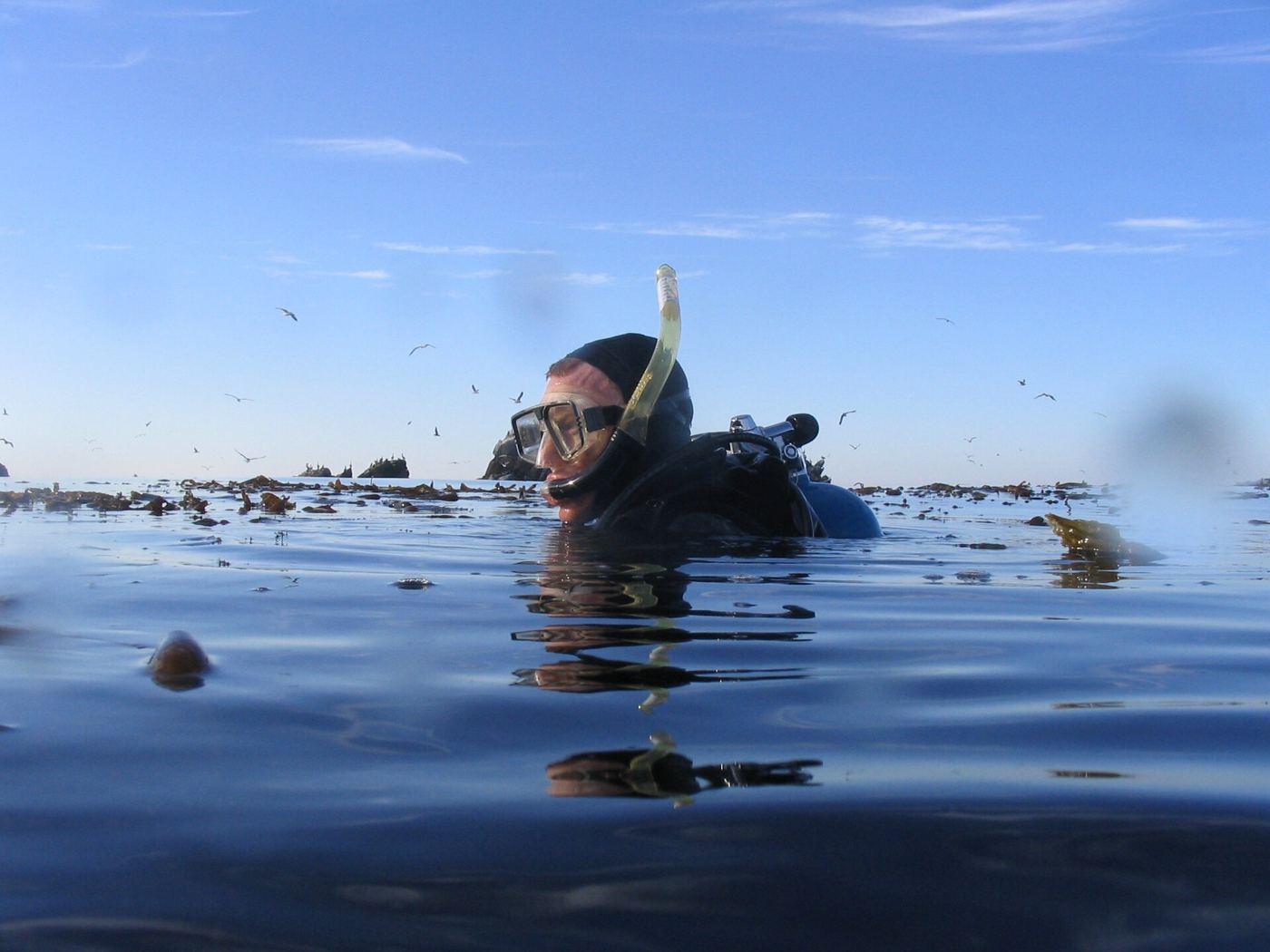
Beneath the surface of cold coastal seas, forests of giant kelp rise from rocky reefs toward the sunlight, forming one of the most productive habitats on the planet. The tall, flexible fronds sway with the swell, creating shelter where young fish can hide from predators and where crabs, sea urchins and abalone find food and cover. Marine biologists studying these underwater forests have found that a single kelp bed can support hundreds of species, from tiny amphipods grazing on the blades to seals and seabirds hunting in the canopy above. Kelp also grows astonishingly fast, sometimes adding a substantial length each day in good conditions, and as it grows it draws carbon from the seawater and releases oxygen. When fronds break off and drift away, they carry that carbon into deeper water or onto beaches, where it feeds other ecosystems. For coastal communities, kelp forests are valuable twice over: they support fisheries and they soften the force of waves reaching the shore.
What the Evidence Shows
Kelp forests are under pressure from warming seas, and researchers are working out which forests are most at risk and how they might be helped. In some regions, warmer water has allowed sea urchins to multiply, and their grazing can strip a kelp bed down to bare rock. Marine teams are testing ways to restore damaged forests, from removing excess urchins to replanting young kelp on ropes and reefs. Early results suggest that restoration works best where water quality is good and where fishing rules protect the predators that keep urchin numbers down. Scientists are also mapping kelp genetically, looking for strains that tolerate warmer water and could be used to rebuild forests that have already been lost. The research has changed how kelp is valued, from a background feature of the coast to a living system that feeds fisheries, stores carbon and shelters wildlife, and one that needs active protection as the oceans warm. Reporting and analysis from sources such as NASA track the same developments, and specialists following the sheltering kelp forests say the direction is now consistent across independent lines of evidence.
The Wider Context
Funding bodies are watching the sheltering kelp forests closely because the work sits at the junction of basic curiosity and practical return. Grant panels increasingly ask for a path from discovery to application, while researchers push back that the most valuable uses of fundamental science are rarely the ones written into the original proposal. The tension is productive when both sides stay honest about timescales.
What Happens Next
The long view on the sheltering kelp forests is that fields advance by accumulation rather than by single announcements. This result adds a solid, checkable piece to a structure many teams are building, and its authors have shared their data so the piece can be tested from every side. That is how the picture eventually becomes reliable enough to act on. You can follow related developments in our coverage of science.
It is also worth remembering how quickly the picture in this area has changed before. Positions that looked settled a few years ago have been revised as new data arrived, and the same humility is appropriate now. The strongest coverage of this subject, and the most useful advice, tends to come from sources that update their views openly when the facts move, rather than defending an earlier position long after it has stopped fitting the evidence available.