Astronomers can learn what an asteroid is made of without ever touching it, by splitting its reflected sunlight into a spectrum and reading the dips left by different minerals. Dark carbon-rich bodies, bright stony objects, and rare metallic asteroids each leave a recognisable signature in that light. Classifying them this way reveals how material was distributed and heated in the early solar system before planets formed during the earliest chapters of planetary formation and evolution.
What the Evidence Shows
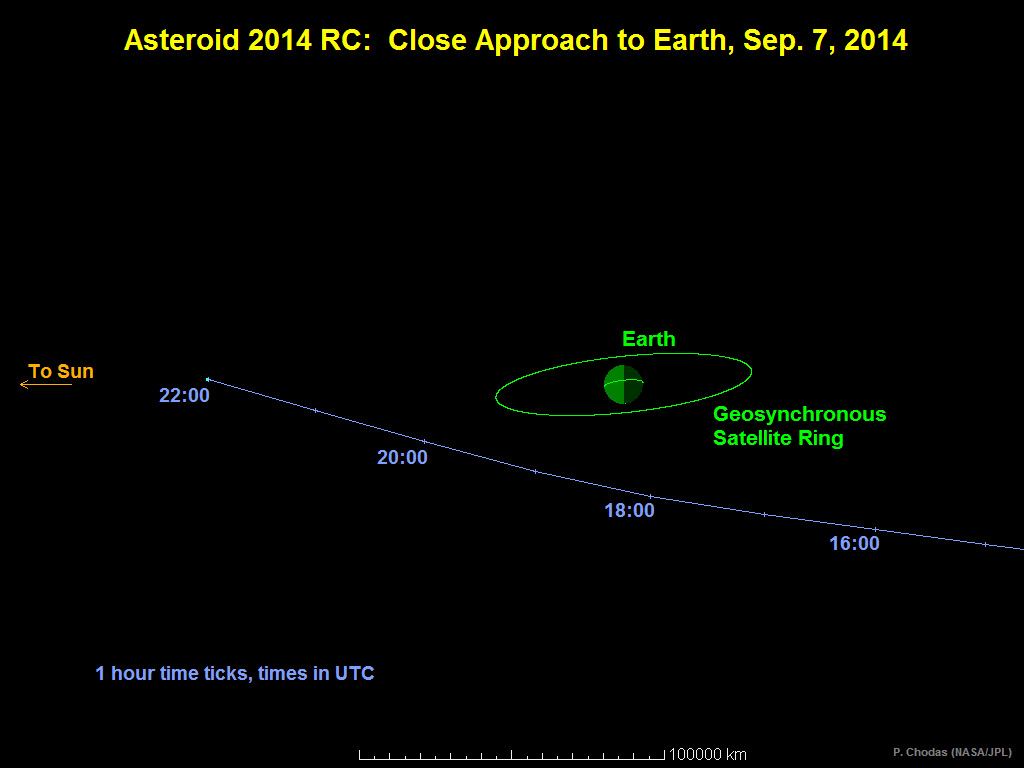
Spectral readings are not foolproof, because a thin coating of space-weathered dust can mask the true composition of the rock lying just beneath the surface. Scientists therefore compare asteroid spectra with laboratory measurements of meteorites, which are fragments that survived the fall to Earth for direct study. Combining both approaches sharpens estimates of density and strength, information that also matters for assessing any object approaching our planet during a close approach observed by ground-based telescopes. Reporting and analysis from sources such as NASA track the same developments, and specialists following asteroid composition from spectra say the direction is now consistent across independent lines of evidence.
The Wider Context
Funding bodies are watching asteroid composition from spectra closely because the work sits at the junction of basic curiosity and practical return. Grant panels increasingly ask for a path from discovery to application, while researchers push back that the most valuable uses of fundamental science are rarely the ones written into the original proposal. The tension is productive when both sides stay honest about timescales.
What Happens Next
The long view on asteroid composition from spectra is that fields advance by accumulation rather than by single announcements. This result adds a solid, checkable piece to a structure many teams are building, and its authors have shared their data so the piece can be tested from every side. That is how the picture eventually becomes reliable enough to act on. You can follow related developments in our coverage of science.
It is also worth remembering how quickly the picture in this area has changed before. Positions that looked settled a few years ago have been revised as new data arrived, and the same humility is appropriate now. The strongest coverage of this subject, and the most useful advice, tends to come from sources that update their views openly when the facts move, rather than defending an earlier position long after it has stopped fitting the evidence available.
None of this will be settled by a single announcement, study or product launch. The pattern to watch is accumulation: independent confirmations, honest reporting of failures and steady improvement in the underlying numbers. Readers who follow those signals, rather than the loudest claim of the week, will understand this subject better than most of the commentary surrounding it suggests is possible.